
The Hidden Cost of Clutter: How Clutter Is Quietly Draining You and Your Money
When most people think about clutter, they think about the obvious frustrations: not having enough space, struggling to find things, or feeling embarrassed when guests come over.
But after working with many clients in their homes, I've realized the biggest costs of clutter are often the ones people never stop to consider.
They're hidden.
They're gradual.
And they're quietly affecting your finances, relationships, mental energy, and quality of life every single day.
The irony is that many people hold onto items because they can't get past what they originally paid for them- a phenomenon known as the sunk cost fallacy (which I've written about previously). Others hesitate to hire professional help because of the upfront investment. In both cases, the focus stays fixed on the immediate cost, while overlooking a much more important question:
What is it costing me to continue living this way?
The Cost of Losing What You Already Own

One of the funniest things I hear so frequently during our decluttering sessions is: "Oh! That's where that was!"
It happens constantly! 😂
We'll uncover kitchen gadgets, gift cards, important paperwork, sentimental keepsakes, or items clients swore they had lost years ago. When things become buried beneath other things, they're essentially gone.
For many people, if it's out of sight, it's out of mind.
That means they often:
Buy duplicates because they think they don't have something.
Waste time searching for everyday items.
Forget about products they already own until they've expired.
Spend money replacing things that were sitting in their own home all along.
The cost isn't just the replacement item. It's the time, frustration, and mental bandwidth spent trying to manage a home that's managing you instead.
The Money Hiding in Your Pantry
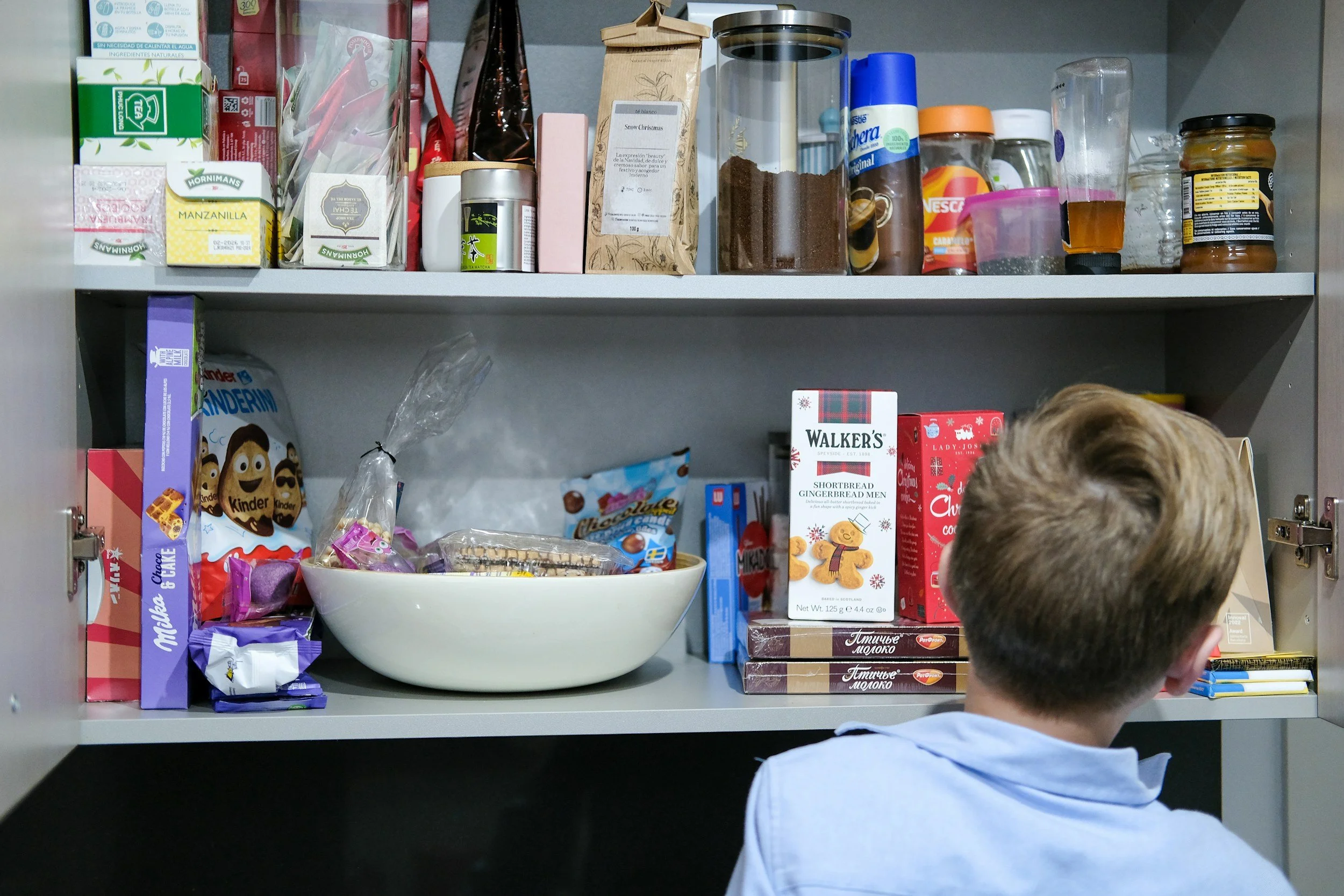
One of the biggest financial drains I see is food waste.
Deep pantry shelves without clear categories or rotation systems make it incredibly easy for food to disappear into the back of a cupboard.
Someone assumes they're out of rice, buys another bag, then later discovers two unopened bags hidden behind cereal boxes.
Multiply that by pasta, canned goods, spices, baking supplies, snacks, and frozen foods, and it adds up quickly.
Organization isn't about having beautiful perfectly labeled Pinterest-quality bulk storage jars. It's about making what you already own visible enough that you can actually use it.
Clutter Can Quietly Cost You Relationships

This is one of the costs people least expect.
I've seen situations where one partner is incredibly supportive but also deeply frustrated by the ongoing clutter. When there doesn't seem to be progress or a shared plan for moving forward, conversations can become reactive instead of productive.
Resentment builds. Communication breaks down.
Arguments become less about the stuff itself and more about what it represents.
The clutter isn't just occupying physical space anymore- it's occupying emotional space too.
The Experiences You Miss Without Even Realizing It
Before I started my own organizing journey, I rarely invited people over.
My home didn't feel like a place I wanted to share.
I wasn't saying, "Come by for coffee," or hosting dinners, even though I genuinely enjoy bringing people together.
Instead, every get-together happened somewhere else.
Looking back, clutter wasn't just taking up square footage. It was preventing me from participating in something that really brought me joy!
How many opportunities are quietly passing by because your home doesn't feel ready?
Maybe it's hosting family for the holidays.
Maybe it's letting your kids have friends over.
Maybe it's finally setting up that craft room, workout area, or reading nook you've been dreaming about.
Sometimes clutter doesn't stop you all at once.
It slowly convinces you to stop living the life you actually want.
The Hidden Drain on Your Mental Energy
In my opinion, this is one of the biggest costs of all.
People don't realize just how much energy their clutter is demanding from them.
Every pile represents decisions waiting to be made.
Every overflowing drawer asks your brain to sort through unnecessary information before finding what you actually need.
Every misplaced item requires another search.
And in today's world, most of us are already juggling more information than ever before.
Millennials, in particular, often face higher cognitive loads from constant multitasking and digital distractions. Many are also navigating ADHD diagnoses or executive functioning challenges that make decision-making even more exhausting.
When your brain is already working overtime, your home should reduce friction—not create more of it. This is where professional decluttering and organizing support can make a meaningful difference by helping you create simple, sustainable systems that work for your lifestyle.
Simple systems aren't about perfection.
They're about preserving your energy for the things that matter most.
You Don't Need Expensive Storage to Be Organized
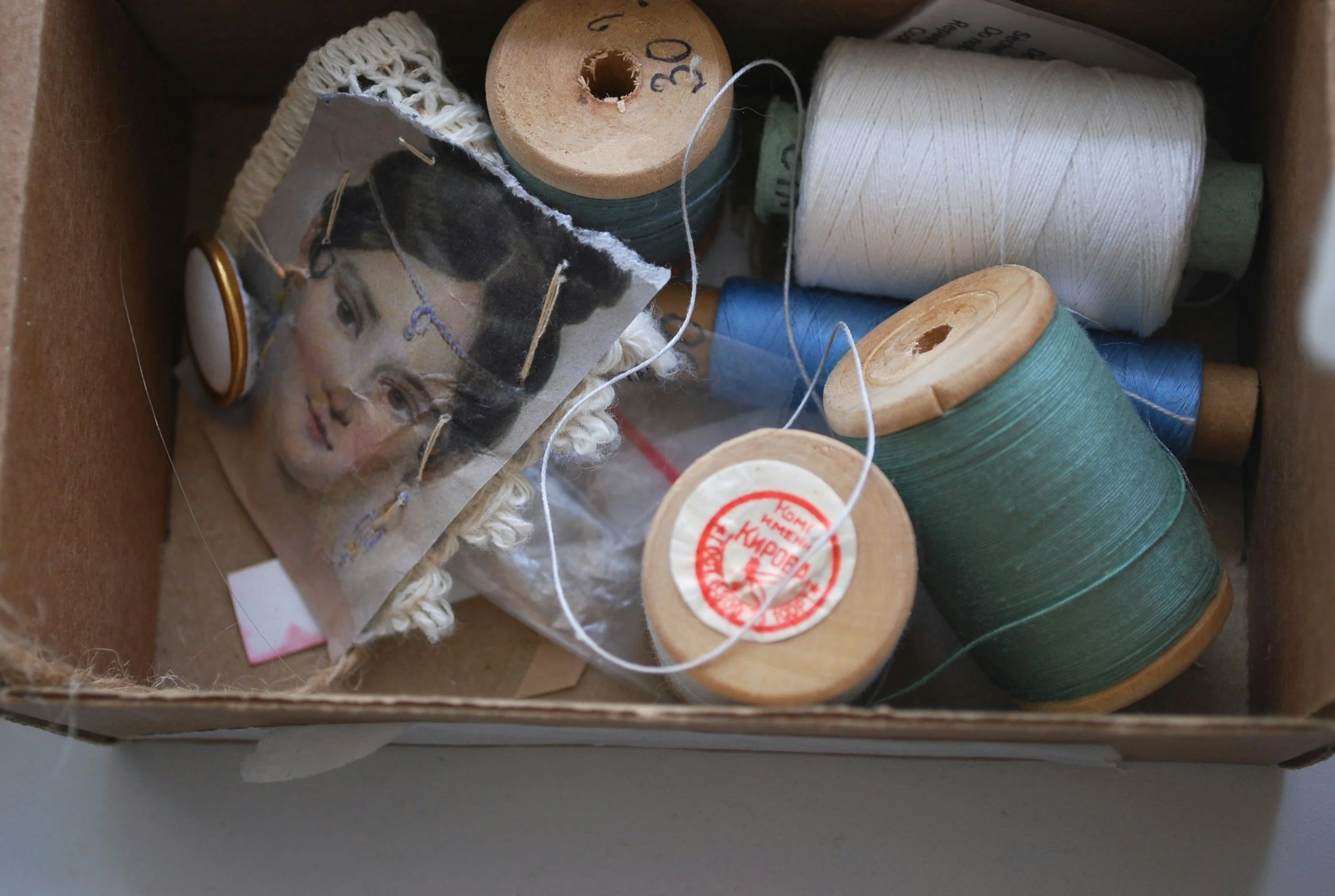
One belief I hold that seems to go against the grain is that organization doesn't have to be expensive.
You don't need matching acrylic bins or a $100 storage system to create function.
Some of the best organizing tools are things you already own:
Cardboard boxes
Baskets
Tins
Shoe boxes
Repurposed containers
And if you do want something more polished, thrift stores and Facebook buy & sell groups are full of storage solutions that people no longer need (and are rehoming following their own decluttering sessions)!
I love encouraging clients to reuse before buying new!
Not only does it save money, but it also reduces waste and proves that organization is about systems- not shopping. 🌎
The Cost of Staying the Same
When people hesitate to let go of an item, it's often because they focus on what they originally paid for it.
When people hesitate to hire an organizer, it's often because they focus on the investment.
Both are understandable! But with that being said, I encourage people to zoom out.
What's the cost of buying duplicates for another five years?
What's the cost of wasted groceries?
What's the cost of arguments with your partner?
What's the cost of never inviting friends over?
What's the cost of constantly feeling behind, overwhelmed, and mentally drained?
Sometimes the most expensive decision isn't decluttering.
It's choosing to continue living in a way that no longer serves you.
Final Thoughts
The goal of decluttering is simply not to own as little as possible- it's to make room for what actually matters most to you!
If your belongings are supporting your life, BRILLIANT! 🤌
But if they're quietly costing you money, opportunities, relationships, energy, or peace of mind, it may be time to ask a different question.
Not, "Can I afford to let this go?"
But rather:
"Can I afford to keep paying the hidden cost of holding onto it?"
The answer might change everything.
