
When is the Right Time to Hire a Professional Organizer?
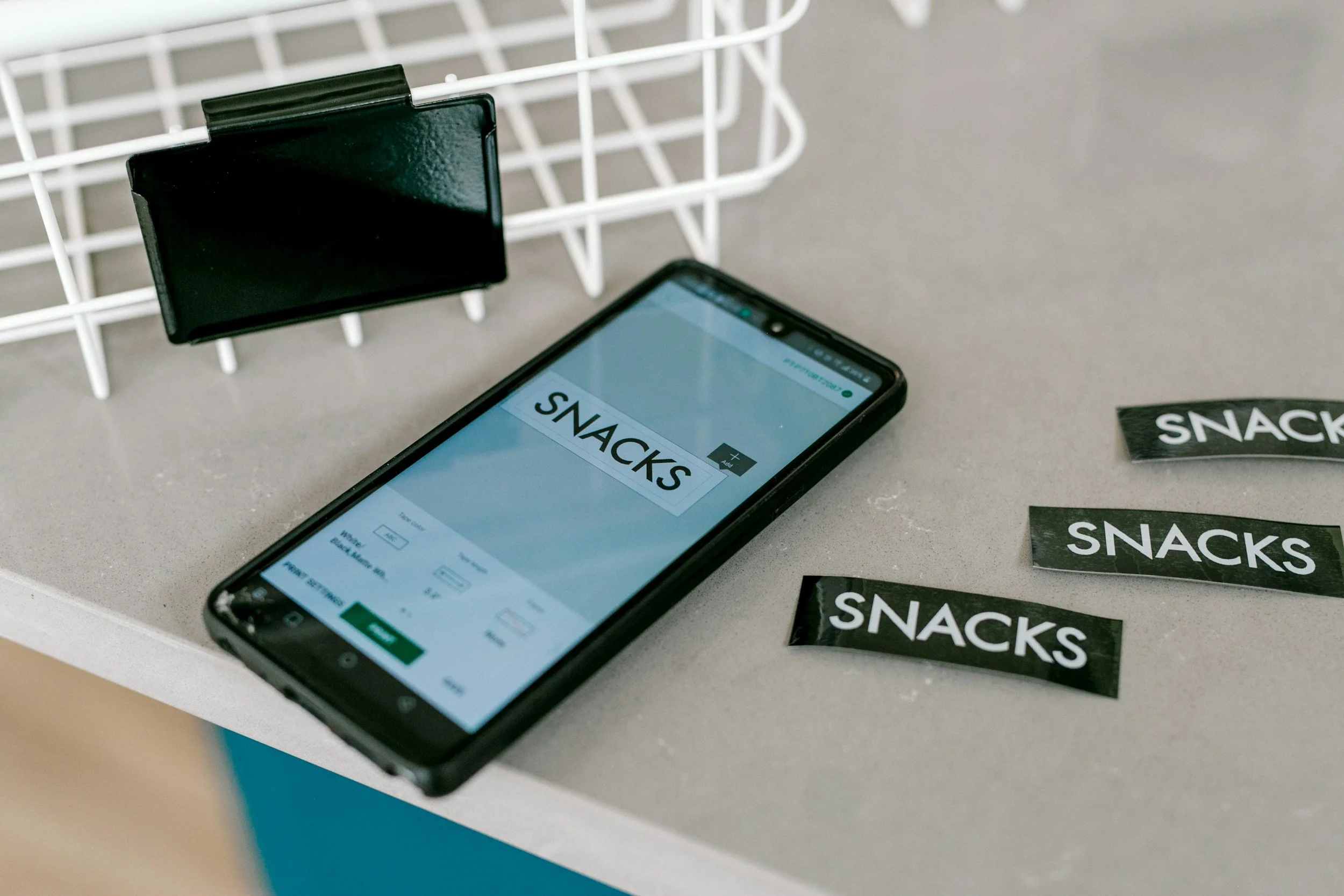
If you’ve ever looked around your home and thought, “I really should do something about this,” you may have also wondered whether now is actually the right time to hire a professional organizer.
Maybe your home isn’t “that bad.” Maybe those piles that are adding up eventually get tackled on a good day. Maybe you do get a burst of energy- and Tasmanian Devil yourself through what needs to be done.
Or maybe you’ve been thinking about hiring someone for months and keep putting it off.
So, what’s the best time to hire a professional organizer?
In my experience, most people reach out at exactly the right time- which looks different to different people.
That doesn’t necessarily mean their home has reached its worst possible state. In fact, you don’t need to be at a breaking point to benefit from professional organizing support.
The right time is often when you recognize that the way you’re living in your home is no longer supporting the life you want to live- and you’re feeling ready to change that!
You don’t have to wait until things get “really bad”
There’s a common misconception that professional organizers are only for people whose homes are completely out of control.
That’s simply not true. 🙅♀️
You can hire a professional organizer when you’re feeling mildly frustrated with one space. You can hire one when you’re preparing for a major life transition. You can hire one when you’ve tried organizing yourself several times and nothing seems to stick.
And you can absolutely hire one before you reach your lowest point.
In fact, I think there’s a lot of value in paying attention to the smaller warning signs before they become bigger problems.
I think of these as your “yellow flags”.
Signs it might be time to hire a professional organizer

You might benefit from professional organizing support if:
Clutter zones seem to perpetually build back up, even shortly after you organize them.
You experience feelings of overwhelm, embarrassment, guilt, or shame about an area of your home.
You’re regularly low on physical or mental capacity, and organizing feels like it takes energy away from other things that matter to you.
You regularly avoid certain rooms, shelves, cupboards, or piles because dealing with them feels overwhelming.
You’ve tried to organize yourself several times but haven’t been able to maintain the results.
You spend a surprising amount of your spare time watching organizing videos, scrolling organizing accounts, or saving DIY decluttering ideas- but aren't actually making the progress you want.
You’re regularly buying duplicates because you can’t find or remember what you already own.
You have a goal you’re excited about, but your home is making that goal feel harder to achieve.
None of these mean that you’ve “failed” at keeping an organized home! 🩷
They’re simply clues that something about your current systems, habits, belongings, or environment may not be working for you anymore.
Ask yourself how your home makes you feel
One of the first questions I would encourage you to ask yourself is very simple:
How do I feel when I look around my home?
Not how should you feel.
How do you actually feel?
Do you feel peaceful? Supported? Comfortable? Inspired?
Or are the first feelings that come up overwhelm, embarrassment, guilt, frustration, or shame?
Your emotional response to your environment can tell you a lot.
And I don’t think you need to wait until those feelings become unbearable before doing something about them.
Pay attention to how successful your DIY attempts have been
Another useful question is: How well is trying to organize it yourself actually working?
Think about the last time you decided you were finally going to tackle that one shelf.
How long did it take?
Could you actually complete it in ten minutes?
Or did you start, get distracted, become overwhelmed by the decisions, and leave it half-finished for several days?
What about an entire room?If you’ve been intending to deal with it for six months, what makes you think the next six months will be different without changing your approach?
There’s nothing wrong with organizing your own home. I encourage people to do exactly that when they have the capacity, the tools, and the systems that work for them.
But if you’ve repeatedly tried the same approach and it hasn’t worked, it may be time to try something different.
Sometimes the best time is before a big life change
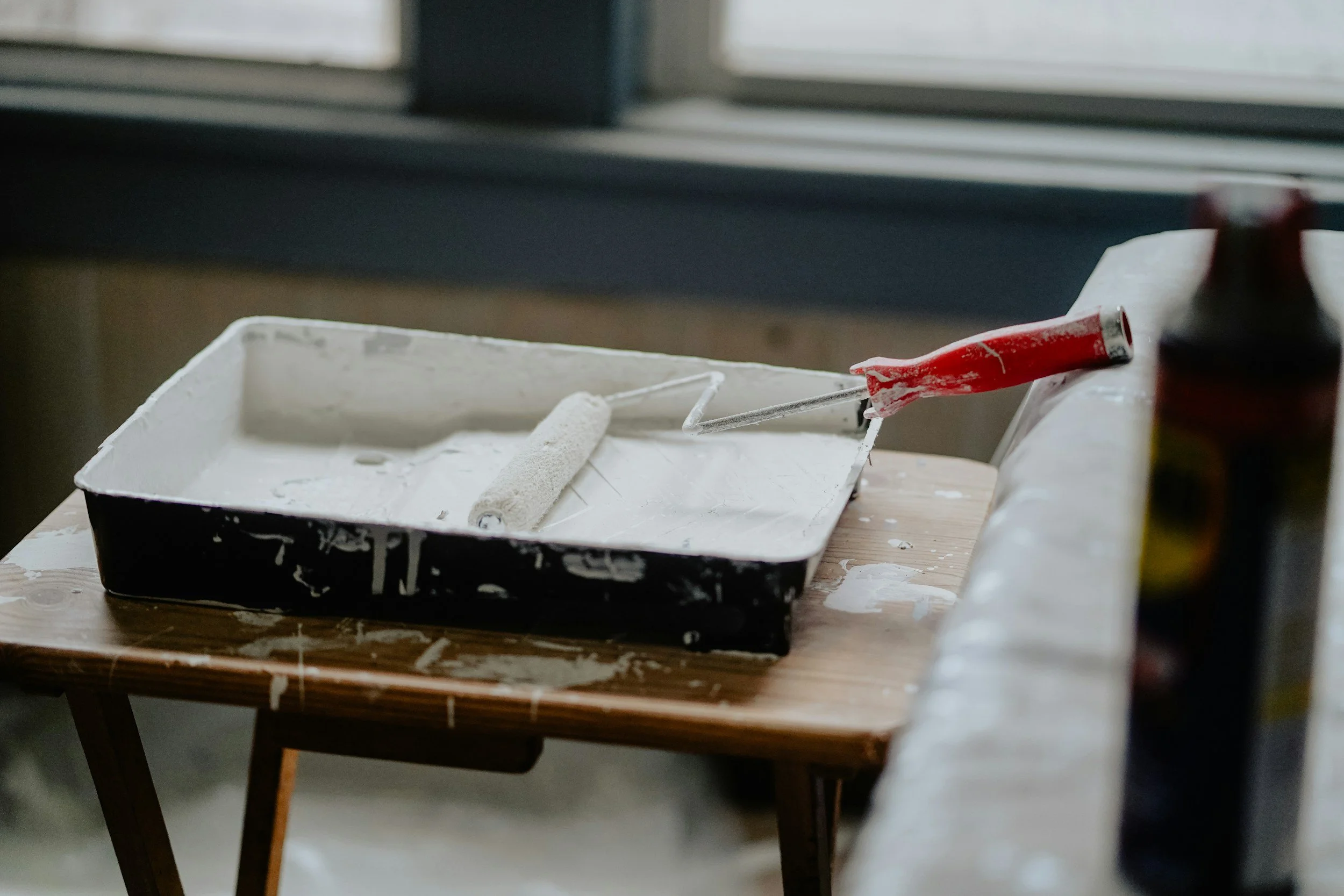
Some of the most meaningful organizing projects I’ve worked on have happened because someone had a goal they were excited about.
They wanted to renovate.
They were preparing to move.
They wanted to return to a life they enjoyed after a period of grief.
Their children were coming home from college, and they wanted to create a shared space where they could enjoy being together again.
They weren’t necessarily thinking, “My house is a disaster and I need help!”
They were thinking:
“I want to be able to do this next thing.”
And their home was getting in the way.
That can be a really powerful reason to organize.
Rather than viewing decluttering as something you have to do because you’ve somehow fallen behind, you can view it as preparation for where you’re going next.
Moving can be a particularly valuable time to declutter
I recently worked with a client who was preparing to move into a new home within a couple of months.
They were eager to change the way they approached their belongings. They wanted to stop collecting things simply because they were a good deal, and they wanted to let go of items they had purchased with the intention of reselling but had ultimately decided they weren't going to sell.
One room had become a major dumping ground for purchases, along with a couple of other spaces.Their goal wasn't simply to make their existing home look better.
They wanted their new home to represent a fresh start, and display only their collected items they were most proud of!
I often describe moving to a new home as being given a blank canvas. You have an opportunity to be intentional about what comes with you and what doesn't.
Together, we took a phased approach to sorting their belongings. We started with easier decisions and gradually worked toward the more sentimental and challenging items.
By the time we reached those harder decisions, they had already built confidence through practice.
And something even more meaningful happened afterward.
They told me that they were so committed to maintaining their new space because they enjoyed living in it so much that they had actually changed the way they thought about shopping.
A “good deal” no longer automatically felt like a good reason to bring something home.
Less stuff was coming through the door, which meant the clutter problem wasn't continually being recreated.
That’s one of my favourite outcomes of organizing work: when the result isn't just a tidier home, but a shift in the way someone interacts with their belongings.
You don't have to know how to organize before hiring an organizer
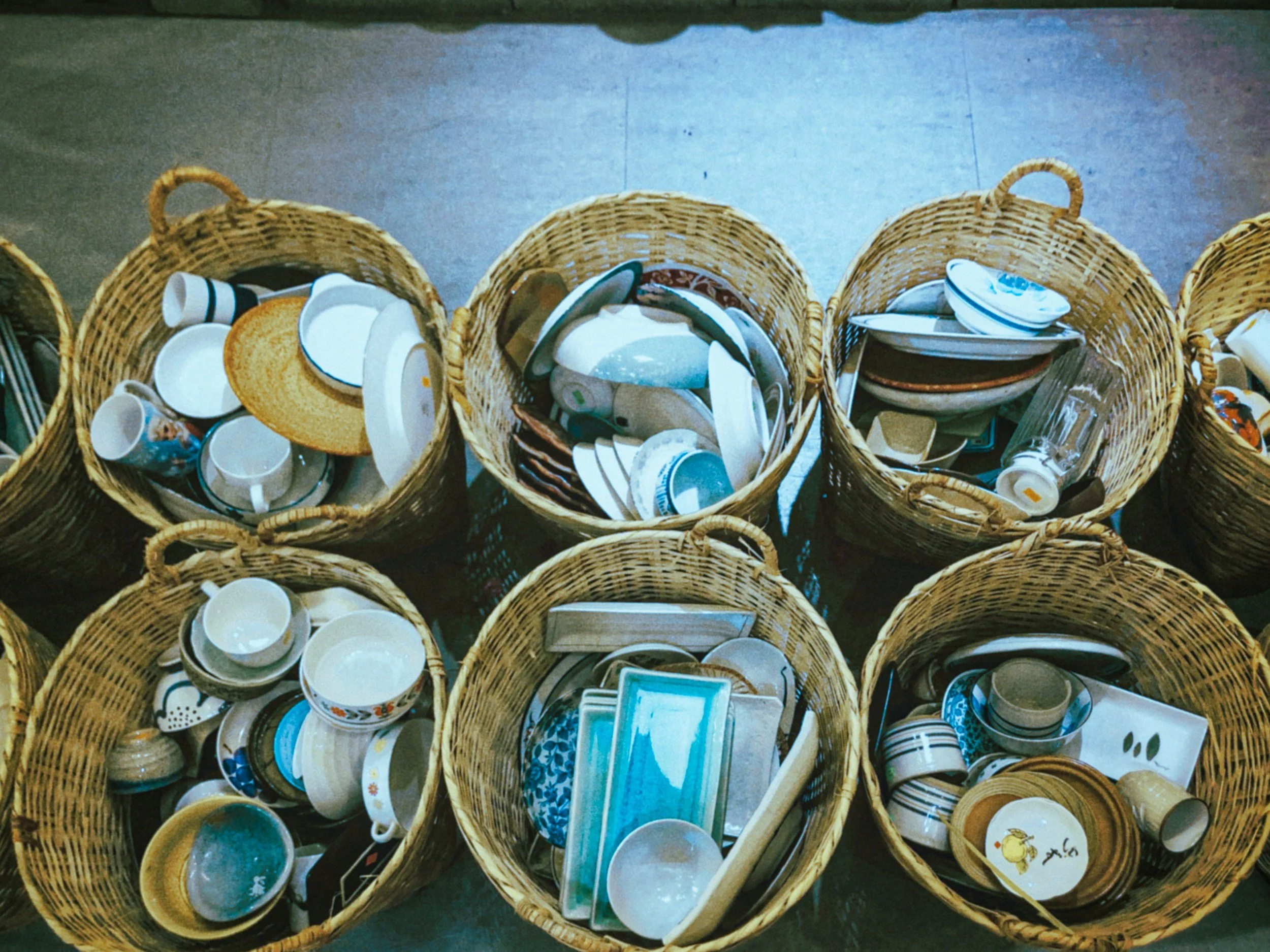
Another misconception I hear is that you need to have everything figured out before a professional organizer comes in.
You don't.
In fact, figuring out what isn't working is part of my job.
I worked with one client who lived in a smaller apartment and had developed a strong tendency to keep gifts and hold onto things “just in case.”
They had grown up around hoarding behaviours, and they recognized that some of those patterns had influenced the way they approached their own belongings.
At the same time, they had exciting goals. They wanted to eventually renovate their home, and they loved crafting. They wanted to be able to work on different creative projects rather than always defaulting to the one activity that was easiest to access.The problem was that they couldn't easily see what they owned.
They couldn't quickly determine which supplies they already had, which meant that starting a new project felt much harder than it should have.
They also had organizing systems in place- but the systems weren't actually suited to their space or the way their brain worked.
Good organizing systems should support the person using them
Instead of simply giving them a new set of containers, I spent time understanding how they thought, how they moved through their home, and how they made decisions.
We first established a reliable set of questions they could use when deciding whether to keep or let go of something.This wasn't about me making every decision for them.
It was about helping them build confidence in their own decision-making.
We also introduced visibility-focused systems that made it easier to connect each item to its home- and made it easier to see what supplies they already owned when inspiration struck.
After trialling the systems for a while, they told me that they had stuck with very little modification and that they were feeling so much better.
That’s an important distinction.
The goal of professional organizing isn't to create a beautiful system that looks good for a week.
The goal is to create an environment and systems that are realistic for the person who actually lives there.
Sometimes you need another brain in the room

One of the most valuable things I can offer isn't necessarily a storage solution.
Sometimes it's perspective.
We all have our own mental maps of our belongings.
We know why we bought something. We remember who gave it to us. We remember how much it cost. We remember what we might use it for someday.
Those associations can make decisions much harder.
Even very open-minded people can become stuck inside the same thought patterns when they're making decisions about their own belongings.
Having another person there can interrupt that cycle.
Sometimes you need someone to ask a question you hadn't considered.
Sometimes you need permission to let something go.
Sometimes you need another set of hands.And sometimes you simply need someone beside you so that you're not carrying the entire mental load of the project yourself.
Many hands make light work, but the right support can also make complicated decisions feel much lighter.
You can hire a professional organizer before you're overwhelmed
Professional organizing isn't reserved for people who have reached their lowest point.
It can be a proactive decision.
If you notice that a particular area is starting to become a problem, you don't necessarily have to wait until the entire room is unusable.
If you're noticing that your systems aren't keeping up with your life, you don't have to wait until you're completely overwhelmed.
And if you're preparing for a major transition, getting organized beforehand can make the transition itself much easier.
Sometimes a little support at the right time can prevent a much bigger project later.
So, when is the best time to hire a professional organizer?

I had an ex-boyfriend who would say:
“If you have to ask the question, you probably know what the answer is.”
It was surprisingly good advice.
If you're sitting there wondering, “Do I need a professional organizer?” you may already know the answer.
You’ve probably already felt the frustration.
You’ve noticed the clutter. You’ve tried (likely multiple times) to deal with it.
You’ve imagined how much better it would feel if the space worked differently.
And now you're looking for some outside validation that it's okay to ask for help.
Consider this your permission.
You don't have to wait until your home is at its worst.
You don't have to be embarrassed by your space.
You don't have to finish decluttering before you hire a professional organizer.
And you certainly don't have to prove that your situation is “bad enough” to deserve support.
Professional organizers are here for you at any point in your organizing journey.
Maybe you're preparing for a move. Maybe you're starting a renovation.
Maybe you've finally reached the point where you’re feeling ready to return back to being “you” again after grieving the loss of someone you love.
Maybe you've simply reached the point where you don't want to keep living with the frustration you've been experiencing.
Or maybe there are just a few slightly yellow flags.
Whatever the reason, getting a second opinion- or simply having a companion beside you as you begin- can produce surprisingly meaningful results.
Your home doesn't have to be neither catastrophic- or perfect- before you ask for help.
You just have to be ready for something to change.
And sometimes, that moment arrives simply because you've finally decided:
“I want things to change.”
